Educating to change Australia's oyster culture.
Australian oyster farmer, Ben Ralston, took to the world to find out how oysters are presented outside of Australia with a mission to change the Aussie oyster culture.
"The majority of the worlds’ oyster supply will see oysters being sold live and oysters will be shucked, either to order at restaurants and markets, or taken home and shucked in household kitchens. The reason behind this is the oyster remains alive until it has been shucked and then it will be served in its own natural juice. In fact, in some countries it is against the law to serve or handle oysters the same way Australians do. Educating the consumer is about teaching them how to handle, shuck and serve live oysters. The future opportunities for farmers are to sell live oysters with higher value or profit margins." - Ben Ralston
Find out more about what Ben discovered in his report as the 2015 Nuffield Scholar.
Butter smoked oysters by the BBQ Pit Boys
"It's wrong to let an oyster slither down unchewed. It should be masticated slowly."
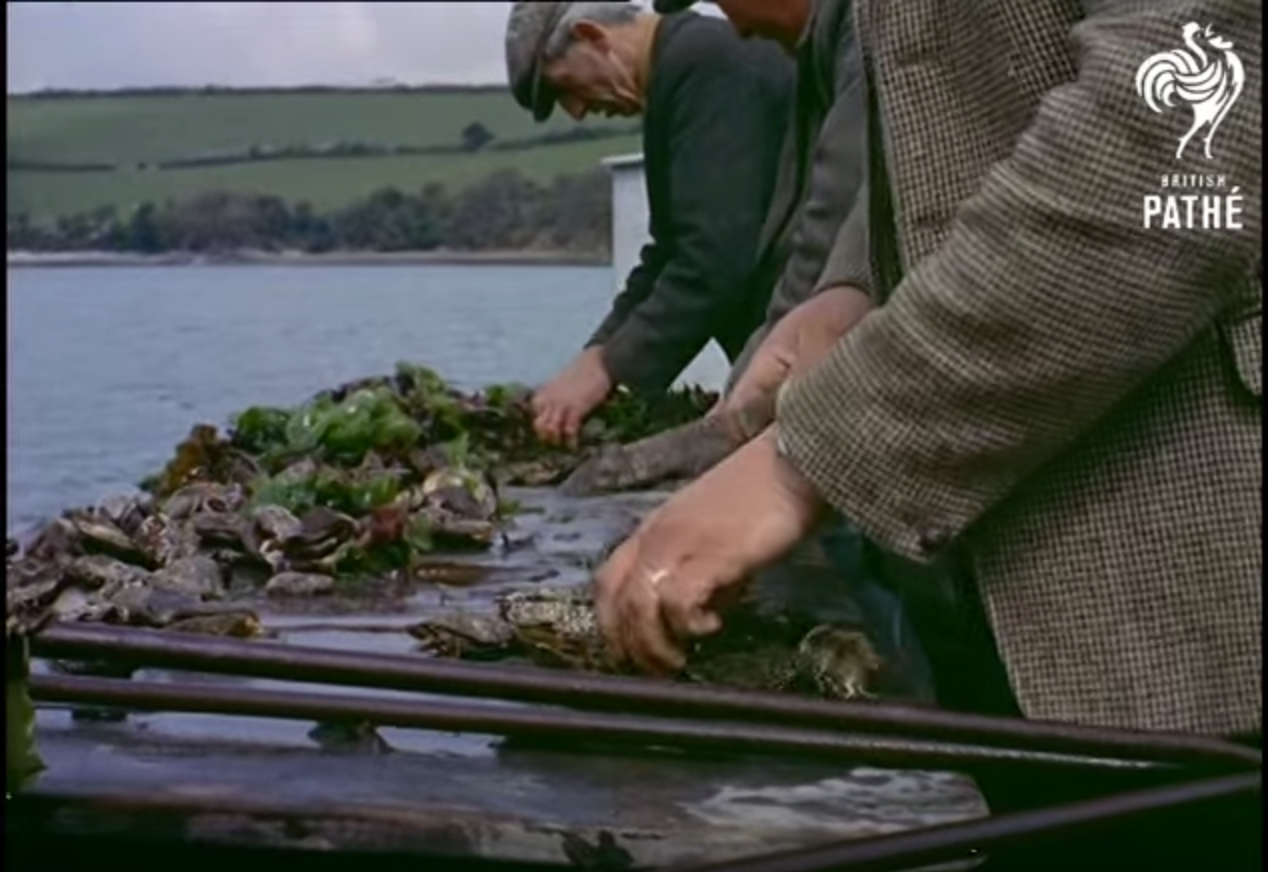
Helford, Cornwall. 1956. Shots of fishing boats on the River Helford. M/S man at helm of boat whilst 2 men throw nets over the side in order to catch oysters. Shots of them hauling nets onto boat and unloading the oysters. Manager of the oyster farm Leonard Hodges lends a hand and culls the latest catch.
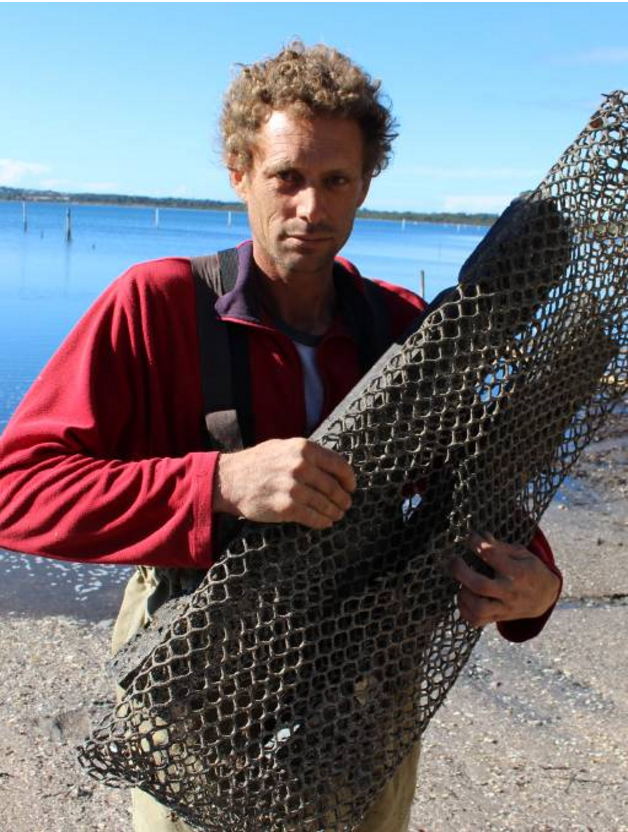
Oyster thieves strike Merimbula farmers
One Sunday morning Pip and Dominic Boyton from Merimbula Gourmet Oysters woke to find more than $500 worth of stock stolen.
“Sometimes we think the thieves don’t realise how much it affects us,” Mr Boyton said.
“People wouldn’t jump a fence and steal a sheep from a farmer but people seem to steal from oyster farmers all the time.
Each oyster takes three years to grow before it is ready to be eaten and during the growing period every single oyster is touched no less than 32 times by the farmers.
“It’s a three year investment and to find it stolen is very frustrating,” he said.
The life cycle of an oyster
The life cycle of the oyster begins when eggs and sperm are shed into the water where fertilisation takes place. After 2-3 weeks the larvae settle and attach themselves to a surface where they continue to grow. This surface may be artificially provided by oyster growers and is the basis for wild spat collection. 'Spat' is the term used to refer to small oysters, usually less than 12 months old.
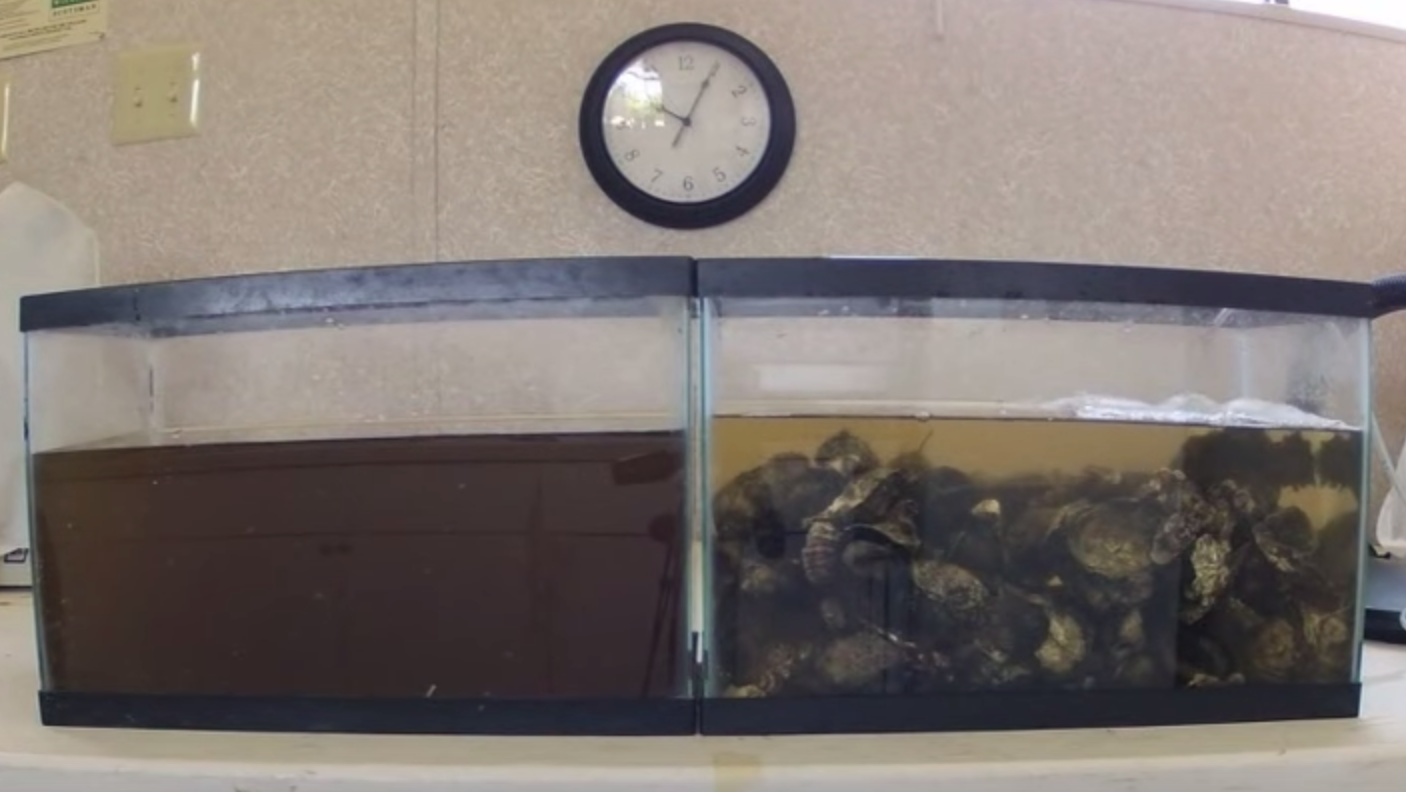
Oysters can filter 5 liters of water an hour.
“Architect Kate Orff sees the oyster as an agent of urban change. Bundled into beds and sunk into city rivers, oysters slurp up pollution and make legendarily dirty waters clean — thus driving even more innovation in “oyster-tecture.””
“In the last five years we’ve realised [oysters] were really abundant parts of our ecosystem and they’re really not present like they used to be.”
Read more about how oysters are being used to help clean up Sydney harbour ->>
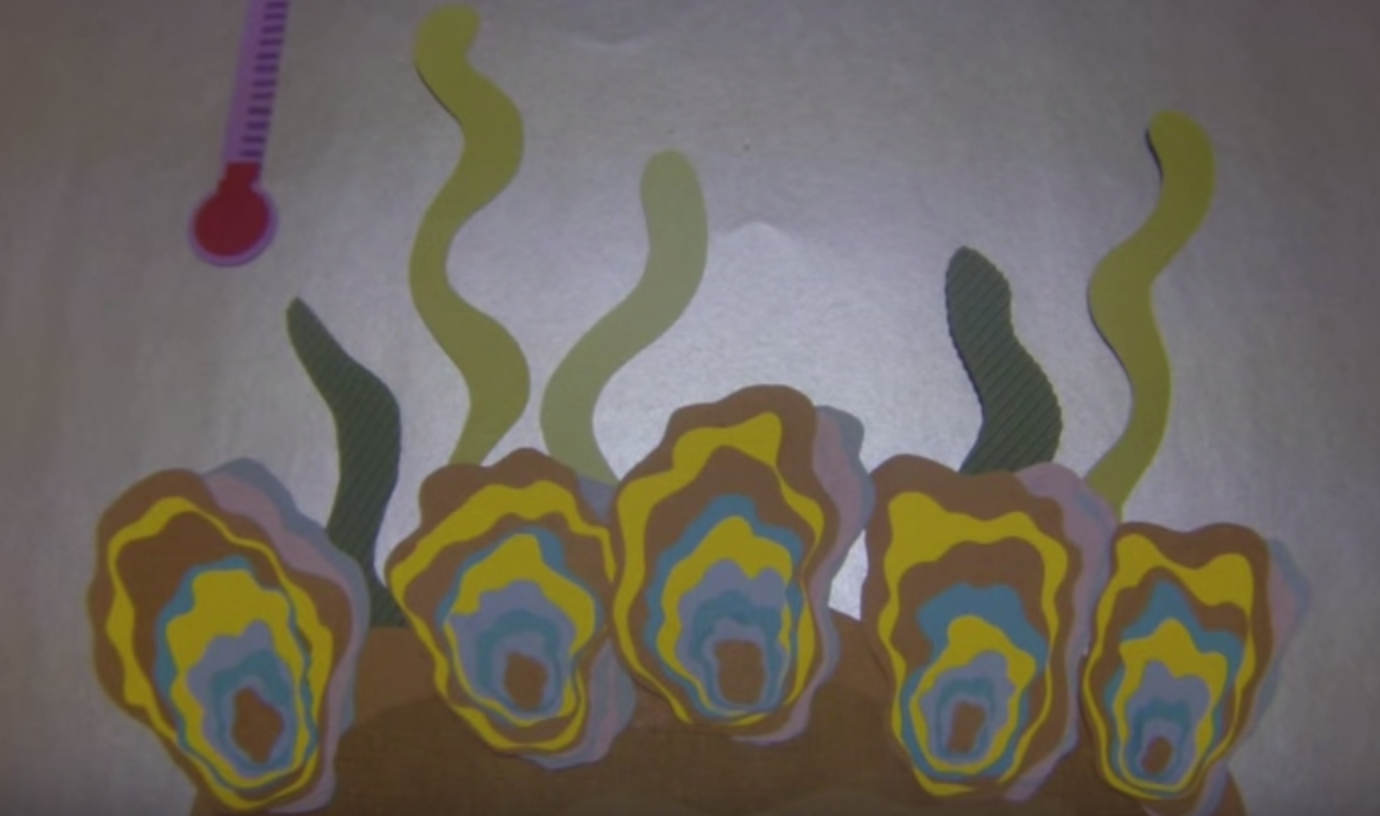
“We’ve seen large impact on our oyster industry beginning in 2006 and 2007 to the point that the shellfish in hatcheries, the oyster larvae were dying off within two days and they had no way to recover.”
Read more about the acidification of our oceans here ->>
Scientists are set to begin transferring juvenile native oysters to a specially prepared seabed in an ambitious project aimed at restoring shellfish reefs on the south coast of Western Australia.
See Sean Murphy's report here ->>
“The reefs essentially haven’t come back so what we’ve seen is a shift in the ecology of a lot of our bays and estuaries”
Find out more about one teams efforts to rejuvenate shellfish reefs in Western Australia ->> here