How to eat your oysters and drink beer at the same time.
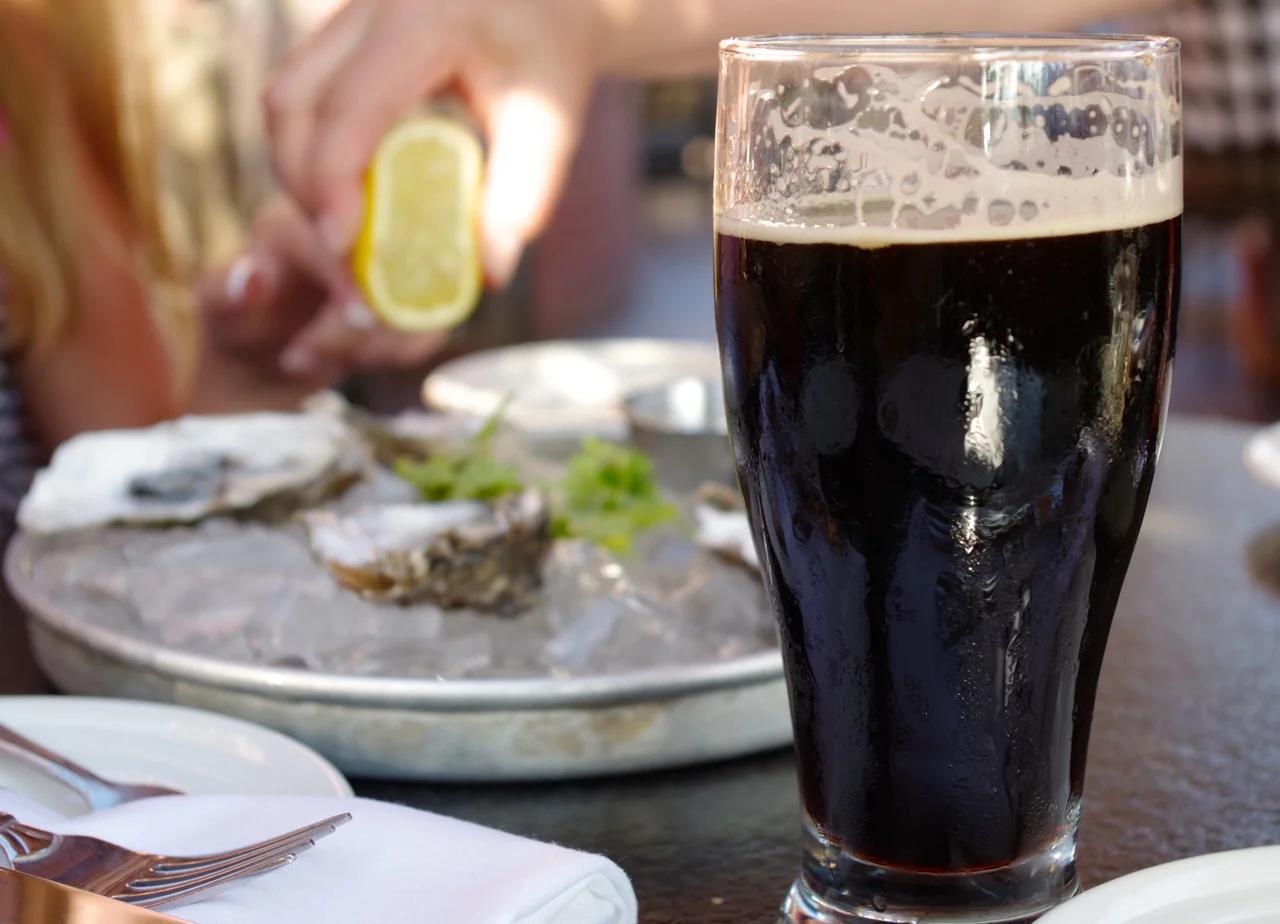
Everything oyster is illuminated in conversation with chef Sean Connolly.
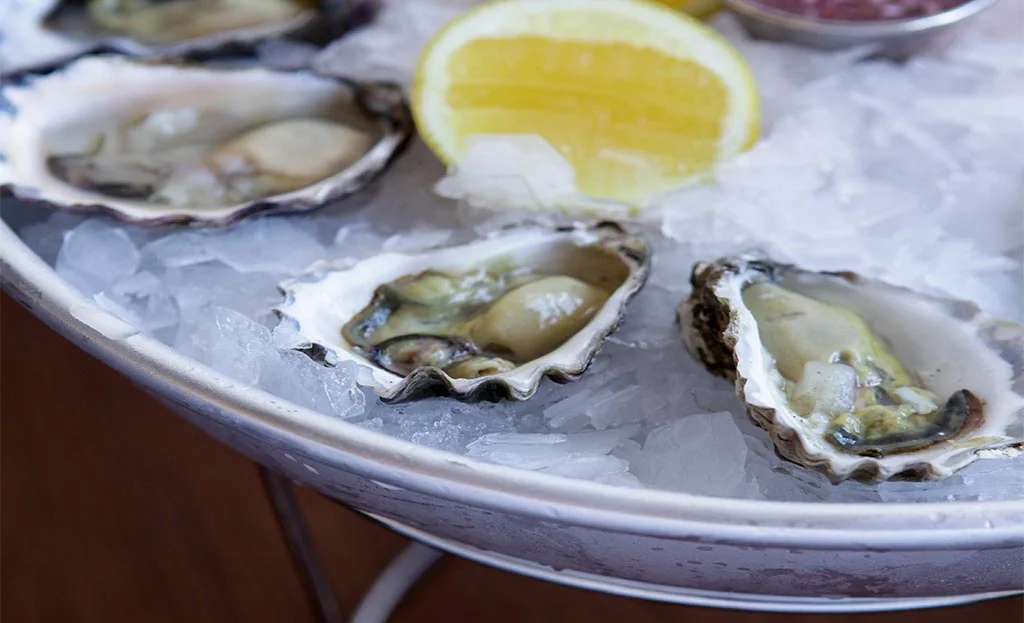
The Olympia oysters displacement could predict a future for the Sydney Rock Oyster?
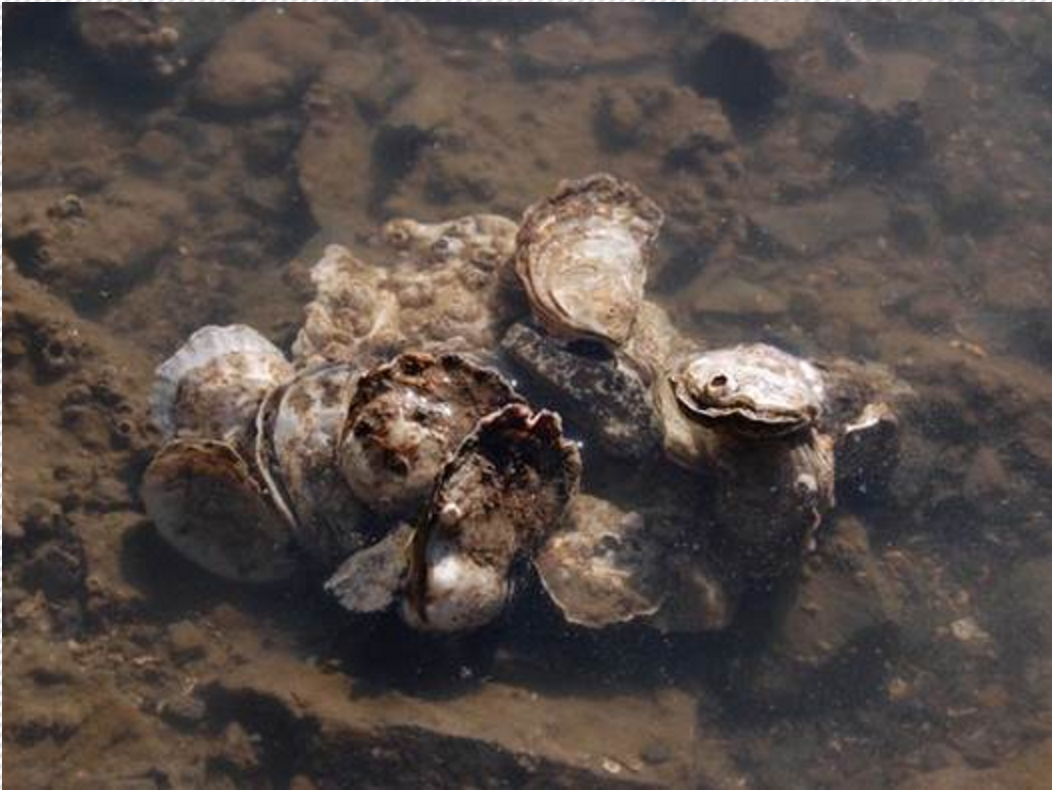
"The Olympia used to range in great abundance from Baja California up to Vancouver, until overfishing during the gold rush began a decline that was hastened by pollution from industry and silt runoff from construction projects. As Olympia stocks plummeted, oyster farmers rushed to import Atlantic oysters from the East Coast and fast-growing Pacific oysters from the Miyagi region of Japan. The two outsider species quickly displaced the slow-growing native oyster. Soon Olympias all but ceased to be cultivated." - Coby McDonald, Popular Science
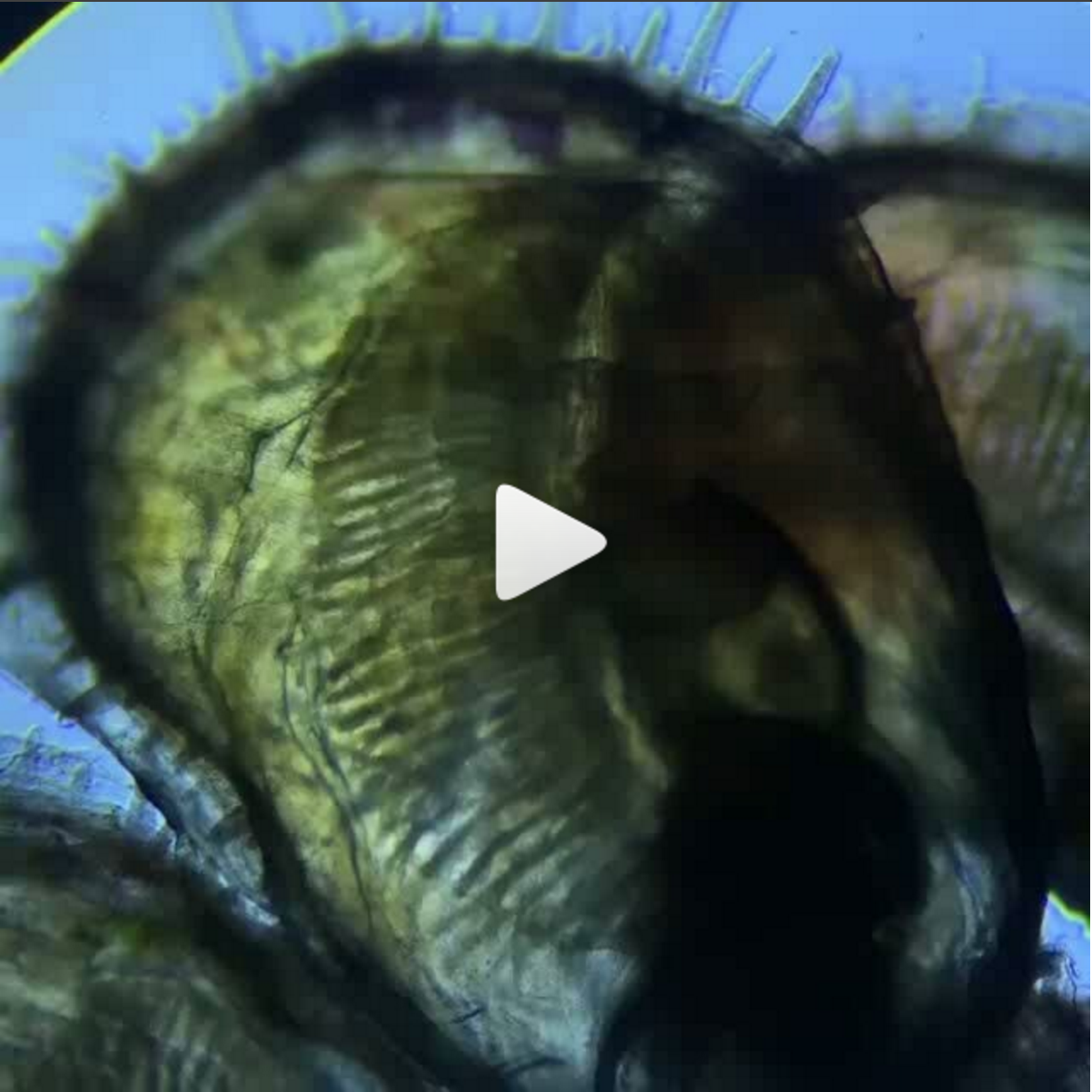
The heart beat of an oyster
Amazing photo of fog on an oyster lease on Coffin Bay in South Australia
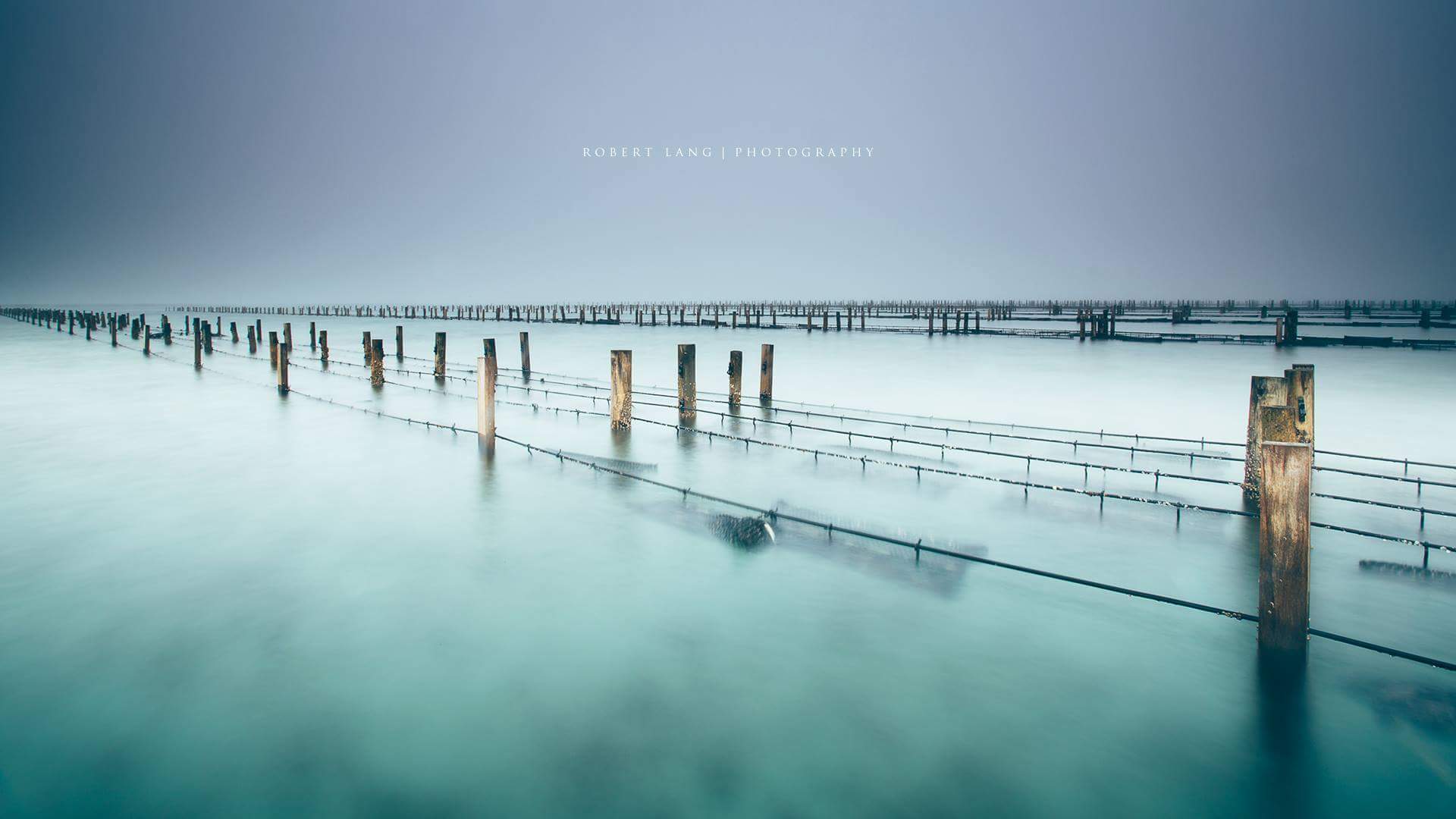
"A foggy morning lurks over a Coffin Bay oyster farm in South Australia.
I planned this shoot in my head for months, and ended up taking this shot in the dead of winter wearing nothing more than a pair of board shorts.
All the planning time in the world and I still forgot to bring a wetsuit. Go figure.
I didn't stop shooting until my hands went blue and my finger couldn't physically press the shutter button anymore. Scored some great snaps out of it though." - Robert Lang, Photographer
The Importance of Sustainable Aquaculture in Our Future

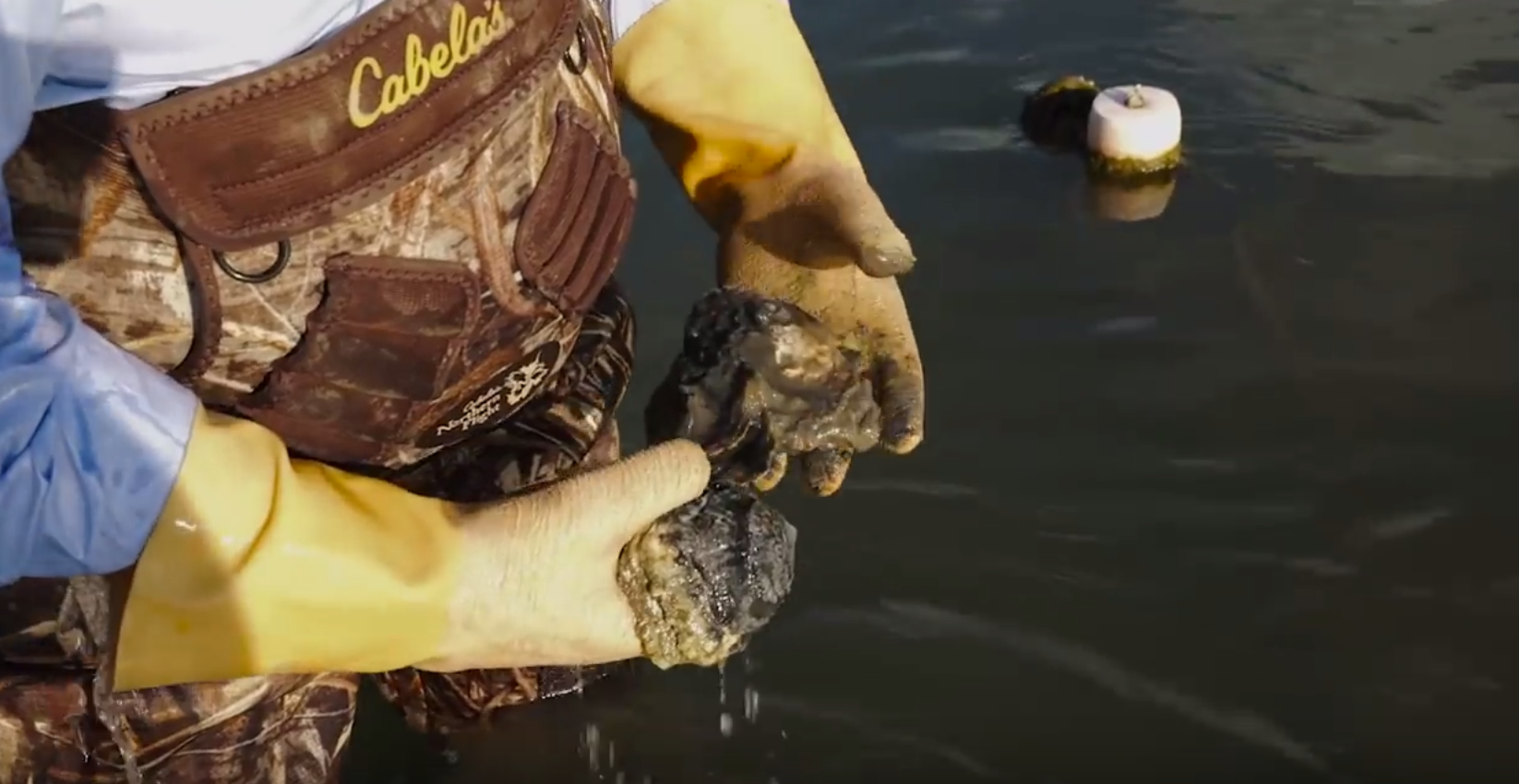
Perry examines his path to developing sustainable aquaculture in Rhode Island, and points to the global need as protein demands rise and fisheries decline. Perry Raso, owner of Matunuck Oyster Bar, Matunuck Oyster Farm and Matunuck Vegetable Farm, is a new breed of aquaculturist who combines a love of farming with education, science, and a global environmental outlook.
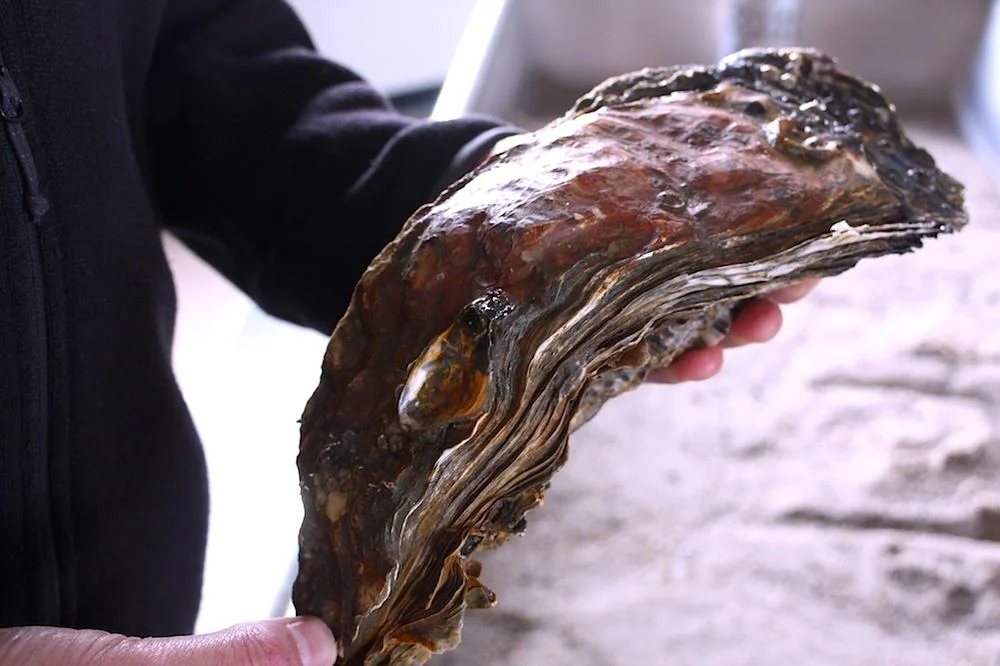
Ever wonder what oysters are available in Australia?
Historical evidence shows that Australian oyster reefs were completely fished out between the late 1800s and early 1900s.
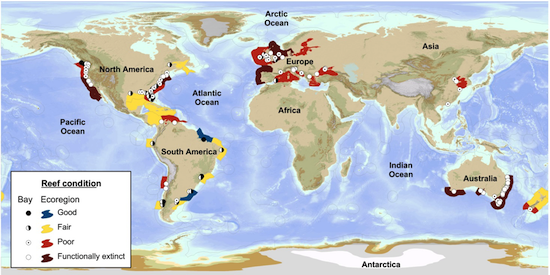
The coastline of South Australia once had 1500 km of oyster reefs along its coastline. Heidi Alleway (Tall Poppy Award Winner) did a very clever piece of work at the University of Adelaide, piecing together historical evidence that showed that these oyster reefs existed and were completely fished out and removed between the late 1800s and early 1900s (Alleway and Connell, 2015).
These shellfish reefs likely played an important role in removing nutrients and sedimentation from coastal waters, provided habitat for marine life. By keeping the waters clean, this would have created the right conditions for seagrass habitat which again would have provided important habitat for marine life. Australia has a very poor record in this regard, with most of our oyster reefs functionally extinct.
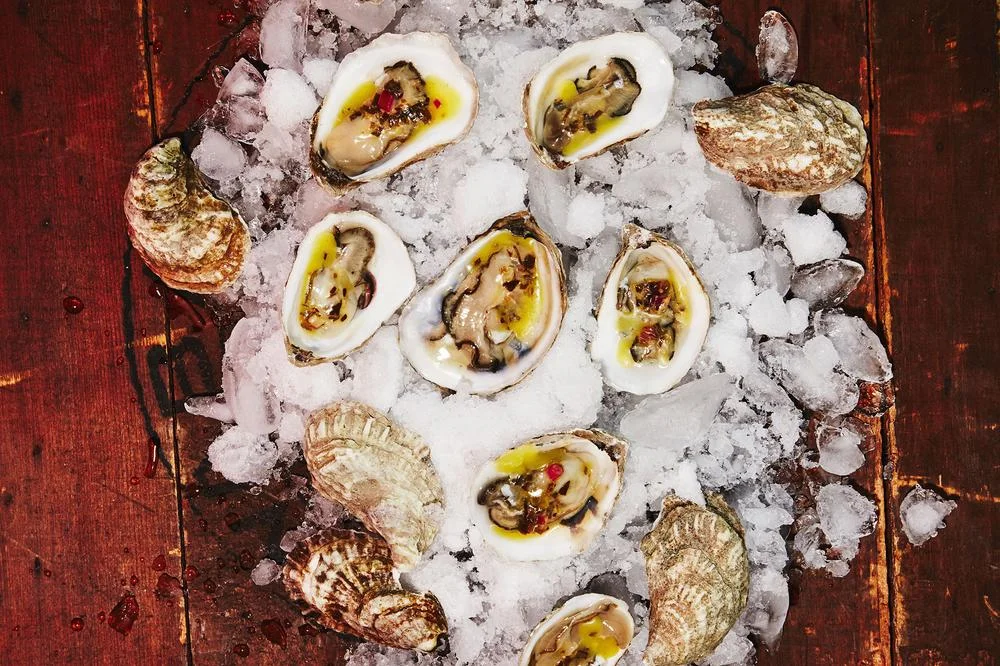
How to Eat Oysters and Not Look Like an Idiot