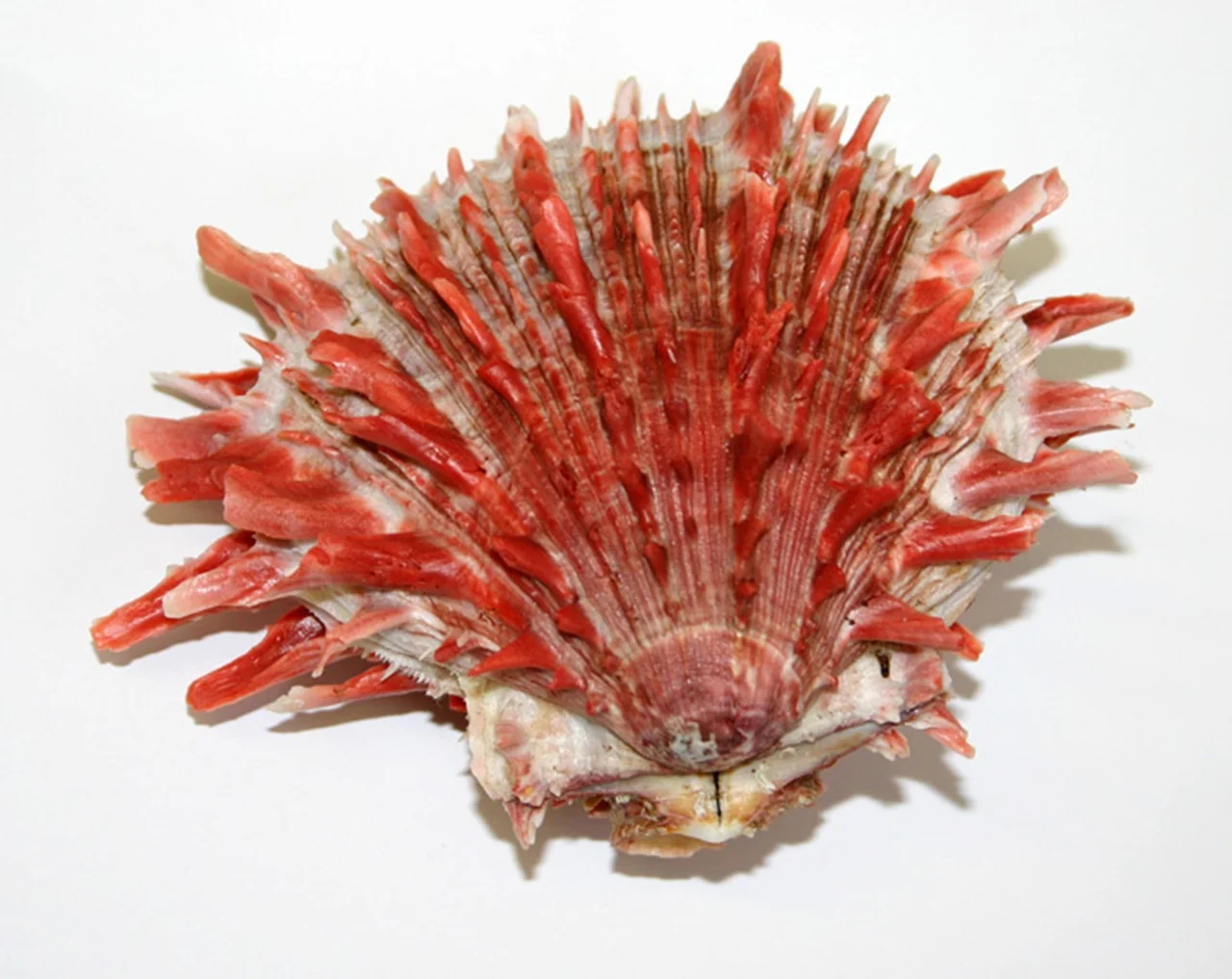

Spondylus, the thorny oyster and Francisco Pizarro's 1525 expedition.
The very first European account of the lands of the Inca Empire describes a trading raft laden with riches. In 1525, Francisco Pizarro's expedition encountered the indigenous sailing craft off the coast of Tumbez, just south of the equator. Filled with objects of gold and silver, including crowns, diadems, belts, bracelets, leg ornaments, and breast plates, the raft's cargo also included emeralds, crystal, and amber, as well as many elaborately decorated and richly worked garments made from wool and cotton. To the astonishment of the Spaniards, these fineries were traded for coral-colored seashells, undoubtedly spondylus, a marine bivalve known as the thorny oyster.
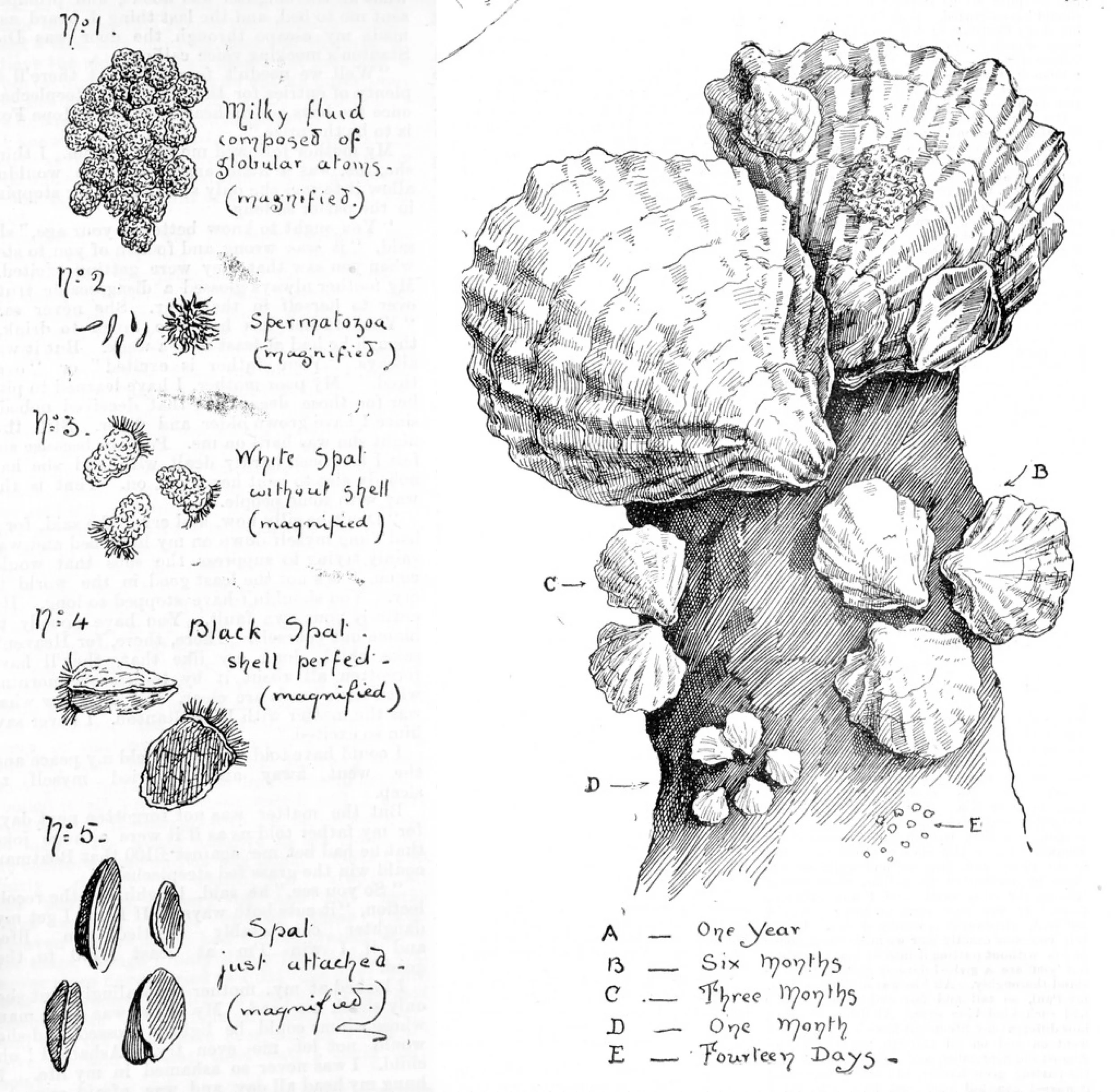
The oysters friends and enemies. circ. November 7, 1891.
These drawings of oysters were made in 1891 and where originally published in the November 7th edition of the 'Illustrated Australian Newspaper' under the title, "The oysters friends and enemies". They show the young spat of the oysters, presumably Sydney Rock Oysters, as well as some of the organisms found inside of the oysters.
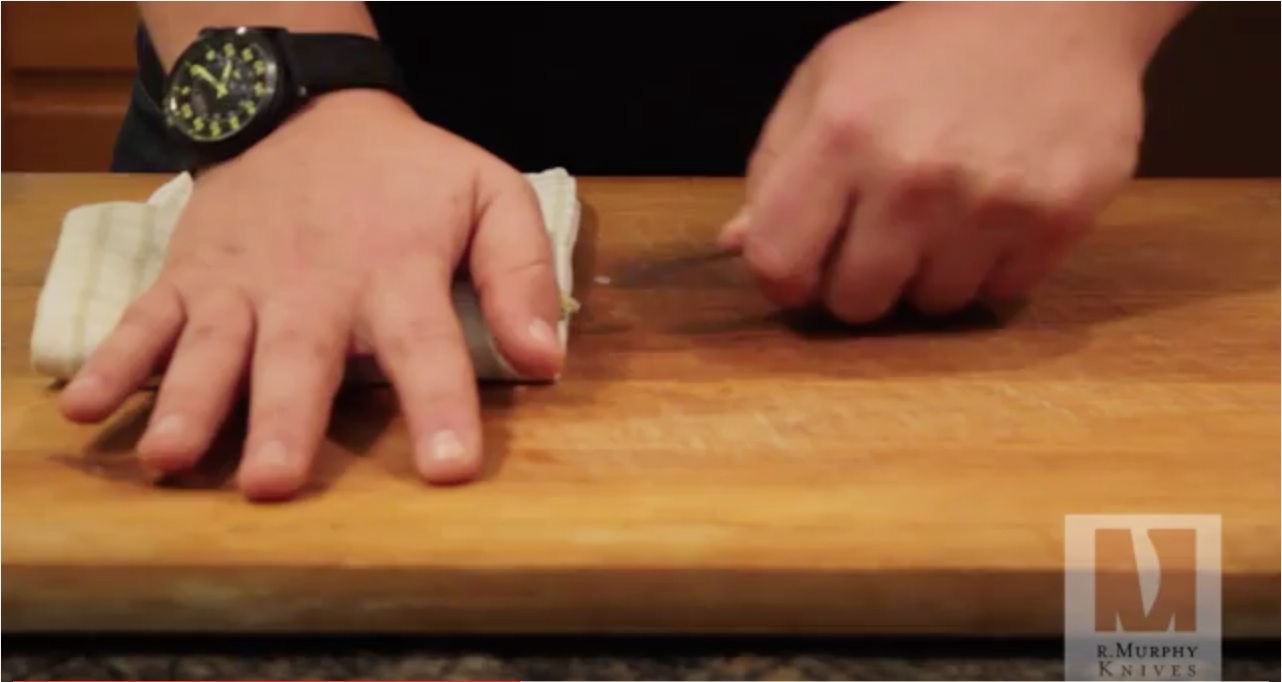
How to shuck and oyster. Thanks to R. Murphy's Knives.
Tough times in Fullerton Cove
Get your hands on the Kickstarter app for September.
This app will keep you up to date with how we are progressing in September.
It will also make sure you are one of the first to get your hands on half a dozen oysters, a hand made oyster knife and put your name on the list for a copy of the film once we have finished it - whats even better is that this is available in Australia and the USA thanks to Merimbula Gourmet Oysters and Bluff Hill Cove Oysters.
Just one of the rewards on hand for your support.